Opus 5.5 OFFICIAL Super Mode: So, ANTHROPIC JUST REVEALED HOW TO MAKE Opus WAY BETTER!
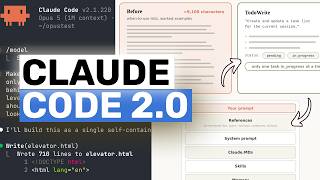
In this video, I’ll explain Anthropic’s recommendations for getting better results from Claude Opus 5.5 and Claude Code. We’ll cover clearer prompts, adaptive thinking, unfinished tasks, subagents, frontend design, testing, model switching, fast mode pricing, and practical ways to improve your AI coding workflow. -- Key Takeaways: 🎯 Give Claude a clear definition of “finished” and specify the behaviors you expect it to implement and verify. 🧠 Remove generic instructions like “think carefully,” since Opus 5.5 uses adaptive thinking and configurable effort levels. ✅ Use Claude dot md instructions to encourage Claude Code to complete routine work and report genuine blockers. 📝 Maintain a tasks dot md file for long-running jobs so progress, completed checks, and blockers remain easy to inspect. 🤖 Use focused subagents for independent investigations, but verify their findings with code references or reproducible evidence. 🎨 Describe specific interface requirements instead of vaguely asking Claude to avoid a generic AI-generated design. 🔍 Separate checks Claude actually performed from conclusions it inferred by reading the code. ⚠️ Watch for safeguard notices that may automatically switch your conversation to an older Claude model. ⚡ Claude Code’s fast mode offers quicker output, but it has separate usage costs and will not speed up external tools or builds. 🛠️ Overall, clearer requirements, visible progress tracking, and evidence-based testing can make Claude Code significantly more reliable.