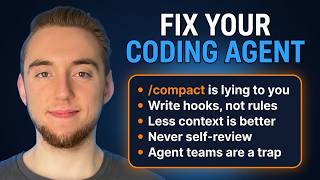
Poteto Mode + Claude Code is SOMETHING ELSE!
In this video, I'll show you pstack, the open-source skill collection from poteto, who works at Cursor and on the React core team, and how to adapt it for Claude Code. I'll have Claude install and adapt the skills, then use /poteto-mode on a real search bug: it reproduces the failure, throws out a theory the evidence disproves, writes a failing test, makes a small fix and repeats the same interaction to prove it works. After that, I'll use how, why and teach to understand the code, then build an export feature with architect, arena, swarm and interrogate. Finally, I'll cover finish conditions for longer work, the cost tradeoff and my take. -- Key Takeaways: 🧠 pstack is an open-source (MIT) collection of skills from poteto that pushes Claude to investigate before editing, keep fixes small and check the result works. 💻 It was built for Cursor, but you can have Claude Code adapt the skills for your project, your tools and your models. 🎯 /poteto-mode is the main entry point: give it the task and a clear description of what a working result looks like. 🔍 The bug-fix playbook reproduces the failure first and removes changes from any theory the evidence disproves. ✅ A good fix shows the failure, explains the cause and repeats the same interaction to show it working. 📚 /how traces the code, /why digs into the history behind it, and /teach explains it so you understand it yourself. 🔀 /architect settles the design early, and /arena compares independent attempts before picking a base. 👥 /swarm splits work across agents and reports what couldn't be verified instead of counting it as a pass. ⚠️ /interrogate gives a review verdict without auto-applying every suggestion, but extra agents and review rounds still use your allowance. 👍 pstack is worth trying if you keep reminding Claude to reproduce bugs and check the app before saying it's done.